
July 17, 2026
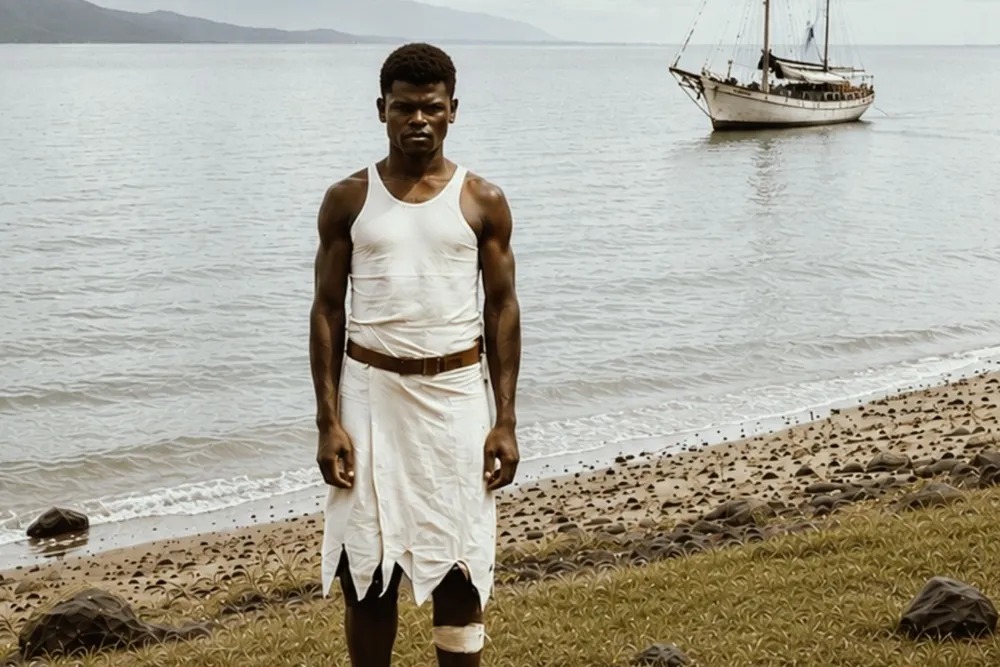
Variety, in an exclusive by Naman Ramachandran, announced Mussau: The First Song, a historical biopic rooted in the life of Taula Lovovoa, one of the first indigenous Seventh-day Adventist missionaries from Mussau Island. Set in the 1930s, the film follows his journey of transformation and reconciliation on an island that Australian colonial reports of the era branded the “Devil’s Paradise” and predicted would cease to exist within two decades.
Parul Agrawal produces, with Noelene Taula Wunum as executive producer. The film is directed by Bijukumar Damodaran, a three-time Indian National Film Award winner whose earlier feature Papa Buka, an India–Papua New Guinea co-production, became the country’s first Academy Awards submission.
According to the report, the story originated with Hilda Tanimia. The screenplay is credited to Damodaran, Joses Imona and Jennifer Litau, with Litau also handling Tok Pisin and vernacular-language translation. Yedhu Radhakrishnan is the cinematographer and Davis Manuel the editor.
Five languages will be heard on screen: Mussau, Emira, Agarabi, Tok Pisin and English, several of them endangered. The production sees the use of native speakers as a contribution to language preservation. Every member of the cast comes from Mussau, and each is making a screen debut. Shooting on Mussau Island was targeted for late September.
Agrawal said the film belongs to the people of Mussau and Papua New Guinea and will be told with authenticity, working closely with the local community and cultural advisers. Wunum described the project as a collaboration between filmmakers, government institutions and the people of Mussau. Damodaran said the film is his return to Papua New Guinea to tell a story from within the country.
Hilda Tanimia, from whom the story originated, said Taula Lovovoa’s story has been carried through generations in Mussau’s oral traditions, and that bringing it to the screen is both an honour and a responsibility. Imona said the writers aimed to balance authenticity with cinematic storytelling while staying faithful to the people, culture and past of Mussau. Litau said language is at the heart of the film, and that keeping Mussau, Emira, Agarabi, Tok Pisin and English on screen protects part of Papua New Guinea’s cultural heritage for future generations.